Always prime before every injection to ensure full therapeutic dosing
Missing doses can lead to increased appetite, cravings, and elevated blood sugar levels

Skin reactions may result from: Immune-mediated hypersensitivity to the active semaglutide molecule itself Reactions to pharmaceutical excipients , particularly phenol or other preservatives Local tissue irritation from the subcutaneous injection process Formation of anti-drug antibodies , though this occurs in fewer than 1% of patients according to the EMA European Public Assessment Report (EPAR) for Ozempic Factors that may potentially increase susceptibility to Ozempic skin reactions include: Previous allergic reactions to other GLP-1 receptor agonists (such as liraglutide or dulaglutide) History of atopic conditions although evidence specifically linking atopy to increased risk of semaglutide reactions is limited Multiple drug allergies or known hypersensitivity to injectable medications Improper injection technique , such as injecting too superficially or failing to rotate injection sites Concurrent skin conditions at the injection site To minimise injection site reactions, avoid injecting into areas of infection, lipodystrophy, scars or active dermatitis
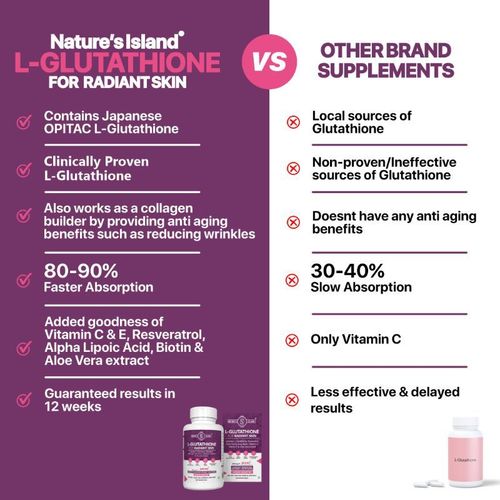
At the end of the day, we have noticed that most skin whitening candidates choose to switch to another solution once they have tried to eat, to prepare various recipes and or apply homemade creams
Indeed, slapdash efforts can set the stage for explosive eruptions down the road
The majority of patients resume normal activity immediately, though mild swelling can persist for a week or two afterward












![Hedron Matrix [Rise of the Eldrazi]](https://pfcomics.com/cdn/shop/products/b05fb01f-e888-5788-a635-922d7939c0fc_800x.jpg?v=1671597883)

