This results in a faster onset of action than traditional oral tablets, often within 1530 minutes
These drugs should not be viewed as cosmetic shortcuts or replacements for long-term attention to nutrition, physical activity, sleep, stress management and preventive care. The side effects of semaglutide Semaglutides side effects are mostly gastrointestinal: nausea, vomiting, diarrhea, constipation, reflux and appetite suppression, said Phillips

In people without diabetes , hypoglycaemia is relatively uncommon but can occur due to: Prolonged fasting or inadequate carbohydrate intake Excessive alcohol consumption , particularly without food Certain medications , including specific antibiotics (e.g., fluoroquinolones), quinine, and pentamidine (though these are rare causes) Hormonal deficiencies affecting cortisol or growth hormone Rare conditions such as insulinomas (insulin-producing tumours) or reactive hypoglycaemia Critical illness or organ failure affecting the liver or kidneys For individuals with diabetes , hypoglycaemia is more frequent and typically results from: Insulin or sulphonylurea medications (such as gliclazide or glimepiride) Missed or delayed meals after taking glucose-lowering medication Increased physical activity without adjusting medication or food intake Alcohol consumption which impairs the liver's glucose production Medication errors or dose miscalculations Symptoms of hypoglycaemia include trembling, sweating, anxiety, hunger, palpitations, confusion, and in severe cases, loss of consciousness or seizures

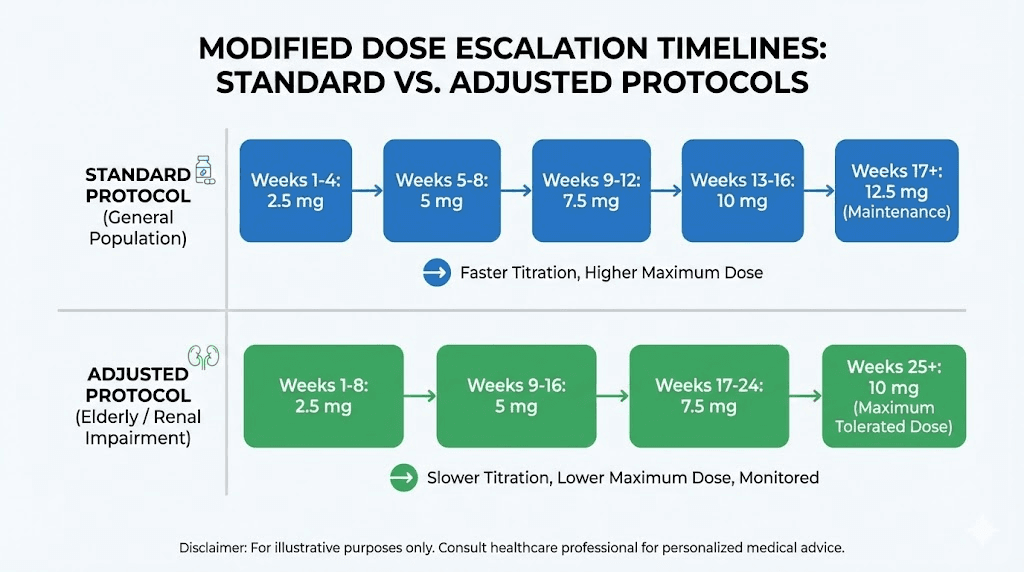
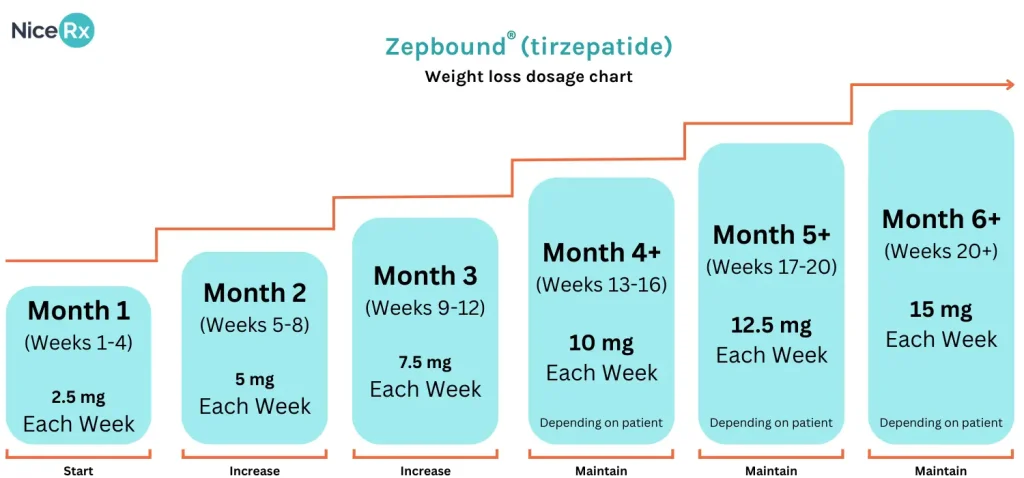
Effective management (slower dose escalation, dietary modifications like eating smaller meals and avoiding greasy foods, staying upright after eating) can make the difference between success and discontinuation
Patients trust you more when they know the full picture
Because intracellular free Zn is toxic to the cell, under normal conditions, it is mostly bound to proteins such as metallothioneins (MTs), whose expression is induced by increased intracellular Zn [330]


















![Pestilence (IE) [Intl. Collectors’ Edition] SPA Disparo de brasas](https://cdn.shopify.com/s/files/1/0268/5285/1798/products/b23845b8-d6d8-43fa-80fc-7c4773e1eebe.jpg?v=1571912301)

