This solvent contains 0.9% benzyl alcohola preservative that suppresses microbial growth and ensures a 4-week shelf-life of the peptide when refrigerated at 35-46F (2-8C)
KLOW will offer better insights into healing and inflammatory support
Specyfikacja peptydu GHK-Cu GHK-Cu literatura naukowa i obszary bada Macierz zewntrzkomrkowa, kolagen i fibroblasty GHK-Cu by badany w kontekcie przebudowy macierzy zewntrzkomrkowej, aktywnoci fibroblastw oraz syntezy skadnikw strukturalnych tkanek, takich jak kolagen, elastyna i glikozaminoglikany
Suited for researchers investigating multi-pathway regenerative signalling in musculoskeletal, vascular, or neurological models
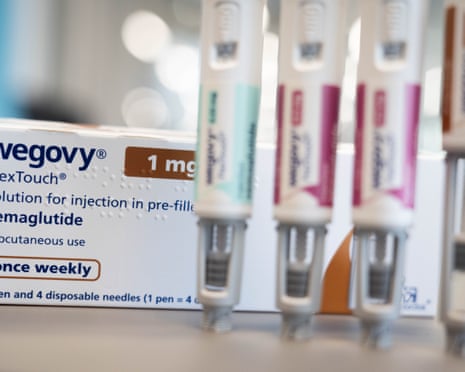
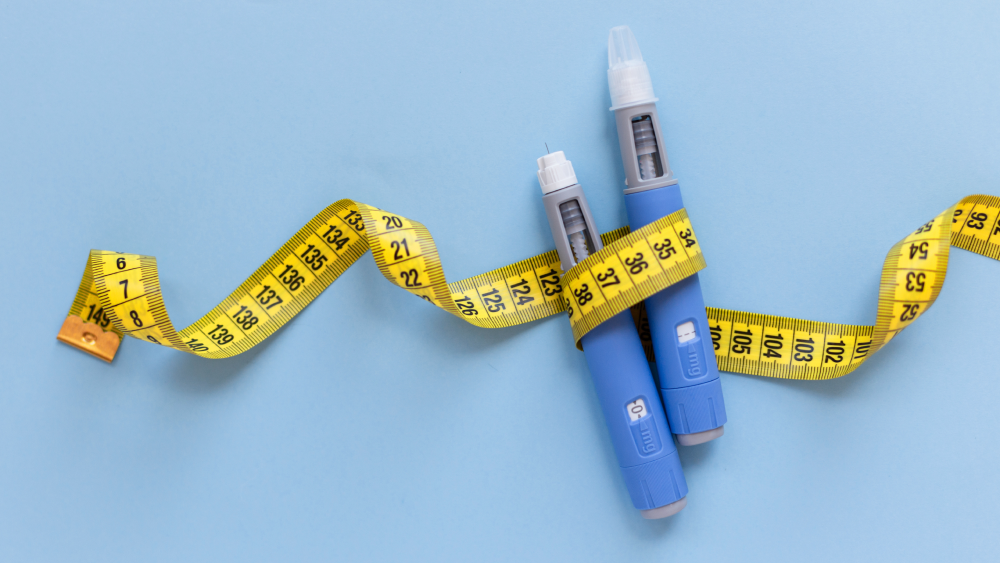
For a comprehensive overview, please click here to learn how to identify counterfeit Ozempic
BPC-157 vs TB-500 Research Peptide Comparison BPC-157 vs TB-500 Key Differences in Research BPC-157 and TB-500 are two of the most widely studied peptides in laboratory research involving tissue repair, cellular signalling, and regenerative processes
/assets/production/practices/bb098bde1976b73281d3b963c3dfa64815de4cfc/images/2780379.jpeg)