A typical GHK-Cu protocol at Better Med Spa runs as follows: Week 1: Medical consultation with Dr
;Resize=(1280,712))
Proposed Escalation Strategy A theoretical cagrilintide and retatrutide combination protocol might follow this gradual escalation approach: Weeks 1-4: Foundation Phase Cagrilintide: 0.6 mg weekly Retatrutide: 2 mg weekly Focus: Establishing tolerance to both compounds Monitoring: Gastrointestinal effects, appetite changes Weeks 5-8: Escalation Phase Cagrilintide: 1.2 mg weekly Retatrutide: 4 mg weekly Focus: Increasing receptor activation Monitoring: Weight changes, metabolic markers Weeks 9-12: Optimization Phase Cagrilintide: 2.4 mg weekly Retatrutide: 8 mg weekly Focus: Approaching therapeutic targets Monitoring: Comprehensive metabolic assessment Weeks 13+: Maintenance Phase Cagrilintide: 3.0-4.5 mg weekly Retatrutide: 8-12 mg weekly Focus: Sustained metabolic effects Monitoring: Long-term safety and efficacy This graduated approach mirrors the successful strategies used in cagrilintide 10mg research protocols, where slow escalation minimizes side effects while building therapeutic benefit
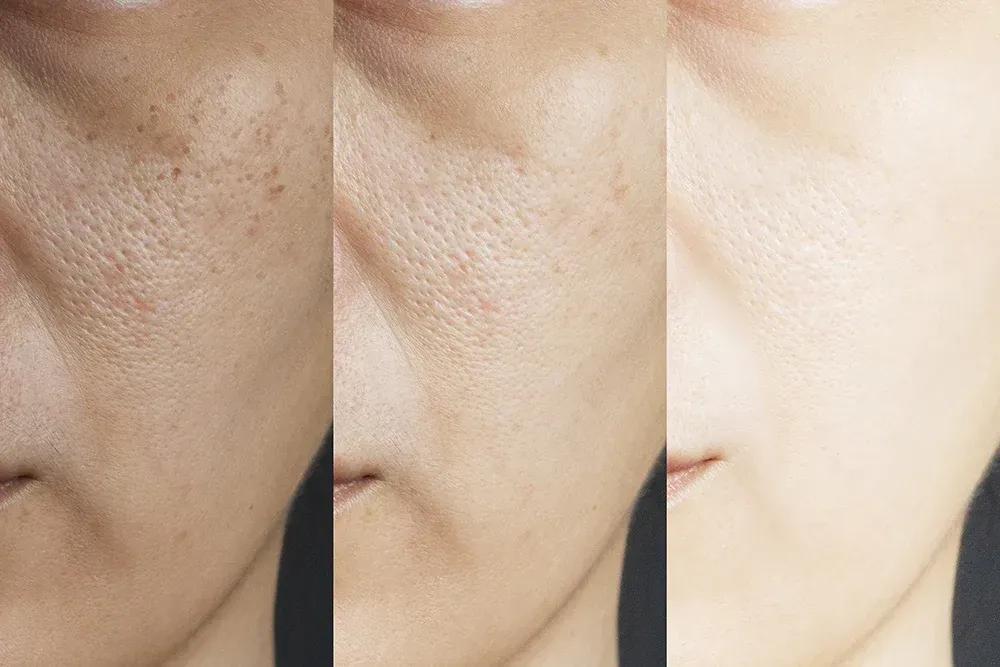
The brightening on the deeper skin tones tends to go unnoticed later and require a longer period of time since the melanin activity is more prominent by nature
Overall, proper oral administration may support systemic and gut-specific repair effectively, while localized injections or intravenous therapy is more suitable for targeted musculoskeletal issues
There are a myriad of health benefits, some of which are directly related to skin health and overall wellness
At low concentrations (0.01 nM), MMP1 and MMP2 gene expression increases, facilitating removal of damaged extracellular matrix proteins


















![Charlotte Linlin (SP) [Wings of the Captain] – Media Reload](http://mediareload.net/cdn/shop/files/541666_8a7ac5df-2649-4d9f-8375-7ad03f92c306_1200x1200.jpg?v=1711347264)